

I Am Gen Z

The Voices

The voices in the film

I Am Gen Z hears from Generation Z in their own words (young people speaking out on social media) alongside experts in psychology, neuroscience, technology and human rights.

In their own words

Generation Z

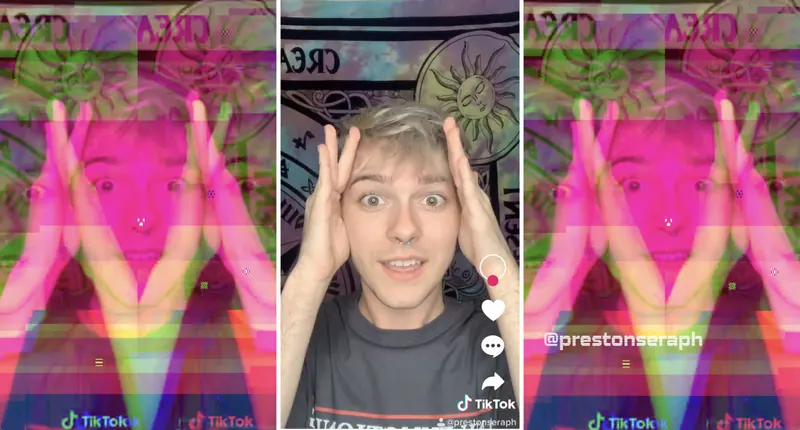
Preston Seraph, in stills from their social media video featured in the film.

Preston Seraph

“He is glorifying shooting somebody who is part of LGBT, which is gross in itself, but then I looked at the comments… And to the people that think this is OK: we’re stronger than you. The more that you do this, the more that we stand in unity.”

Watch Preston’s Instagram Live with director Liz Smith, recorded ahead of the United Nations Association Film Festival, where Preston represented the film.

Noella, in stills from their social media video featured in the film.

Noella

“Generation Z is the one who is so ready to fight against every injustice for the betterment of each other’s lives.”

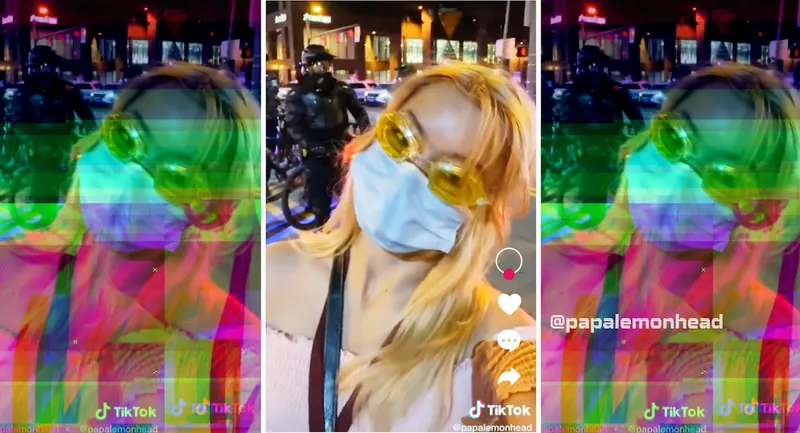
Kyrie McDevitt, in stills from their social media video featured in the film.

Kyrie McDevitt

“Ten seconds after I took this video a police officer threw a mace bomb at my feet, but I have my safety goggles on, bitch. Ha!”

Lucy Rydell, in stills from their social media video featured in the film.

Lucy Rydell

“Millennials may have invented social media, but Gen Z is the one who weaponised it!”

Evelyn Meyer, in stills from their social media video featured in the film.

Evelyn Meyer

“This app has fucked my self-esteem up so badly, because every time I see a girl on here who looks like me, she always looks like… but like the better version of me.”

Alex Bartner, in stills from their social media video featured in the film.

Alex Bartner

“I have this idea in my head, I’d love to be with someone and have our story be that we actually met in person. That’s something I hold close to my heart.”

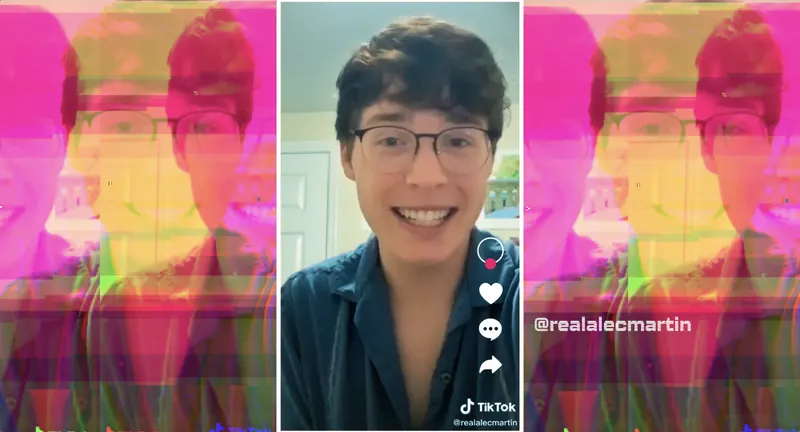
Alec Martin, in stills from their social media video featured in the film.

Alec Martin

“I don’t think people understand how powerful people who were born after 1995 are. They just don’t care about anything. Cops are throwing tear gas at people at protests. People are just picking it up and throwing it back, or hitting it back with a tennis racket.”

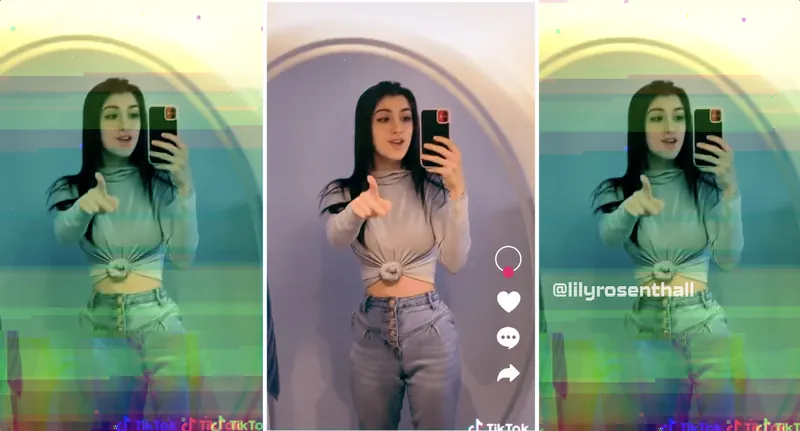
Lily Rosenthall, in stills from their social media video featured in the film.

Lily Rosenthall

“I’m completely aware of the fact that TikTok is responsible for 95% of my mental illness, but I’m also completely aware of the fact that TikTok is the reason for 95% of my mental stability.”

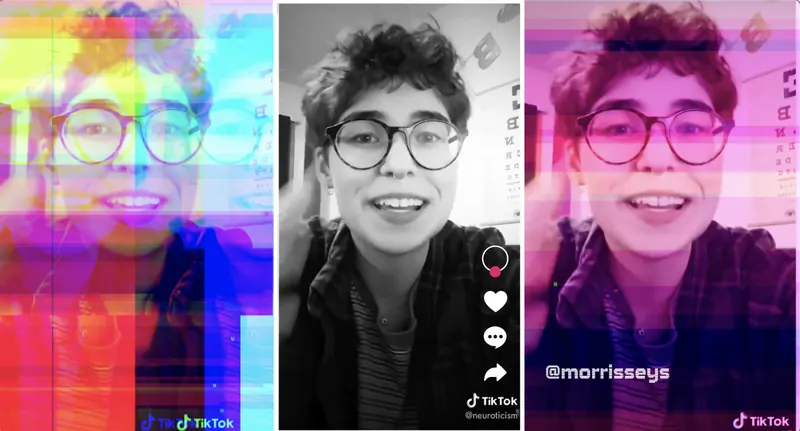
Kenzie Carter, in stills from their social media video featured in the film.

Kenzie Carter

“I’m not going to lie, trying to date or talk to anybody in this generation or world is honestly worse than wearing a fucking wet sock.”

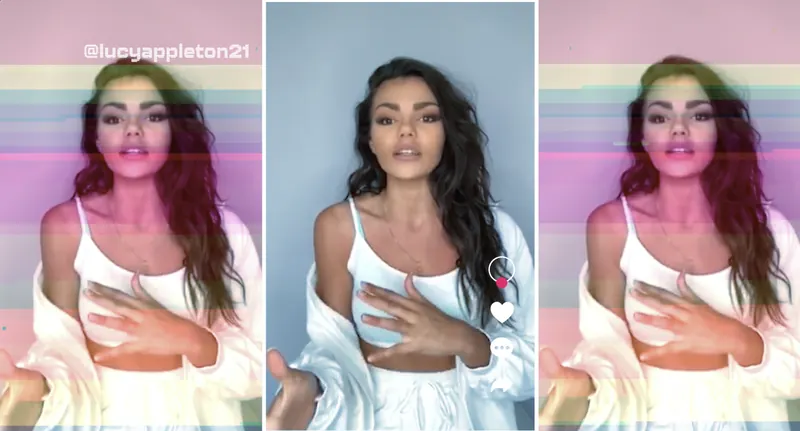
Lucy Appleton, in stills from their social media video featured in the film.

Lucy Appleton

“I’m a 1997 baby, so people argue that I am a Gen Z, people argue that I am a millennial. I actually want to be part of the Gen Z movement. It’s about accepting everyone, and I really do feel that that’s the way Gen Z is going.”

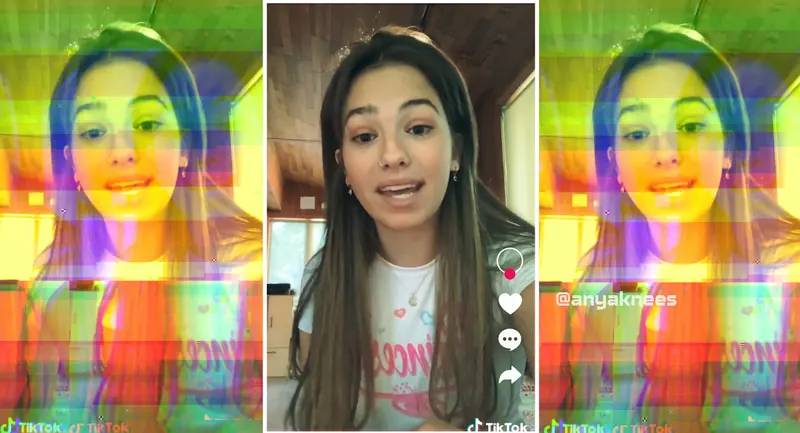
Anya Ciarniello, in stills from their social media video featured in the film.

Anya Ciarniello

“I am seeing highly competitive people with eating disorders not only broadcasting their eating disorders in way inappropriate ways in their videos, but then continuing to compete with people about their eating disorders in the comments.”

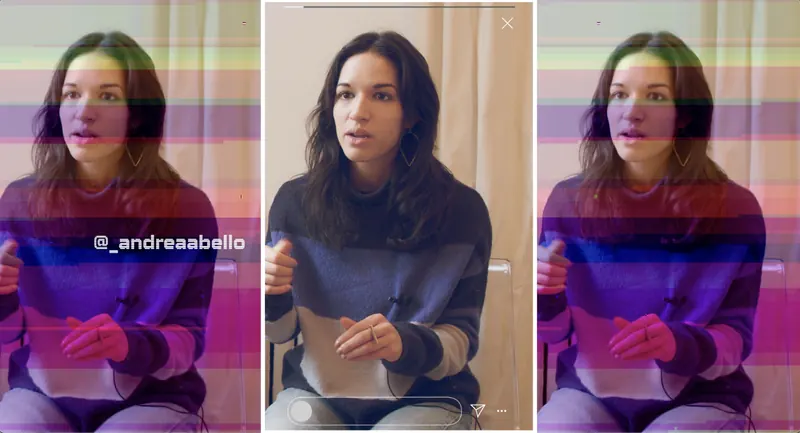
Andrea Abello, in stills from their social media video featured in the film.

Andrea Abello

“You can go down this rabbit hole. Suddenly it’s been 25 minutes and you’ve clicked on somebody’s profile and they’ve tagged their boyfriend’s sister. I don’t know this person, they have no bearing on my happiness, and suddenly I feel, you know, shitty.”

Zach, in stills from their social media video featured in the film.

Zach

“One downside to Silicon Valley, all the technology, is that it makes it a lot easier to spread racist, sexist, homophobic, transphobic, Islamophobic, xenophobic propaganda, things that are just really not good and we don’t want.”

In interview

The experts

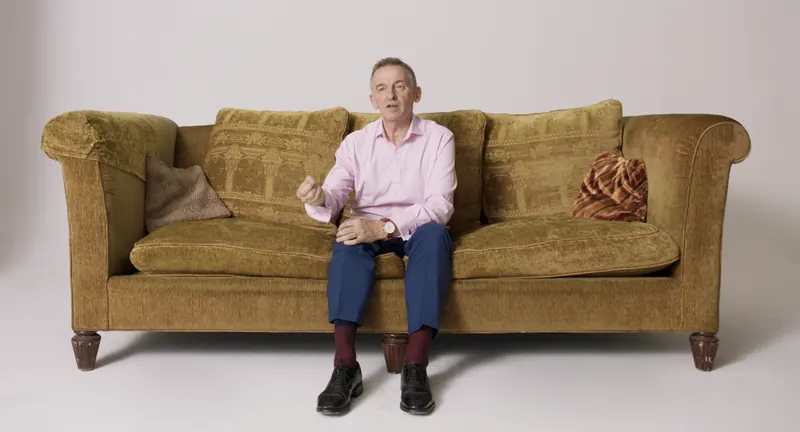
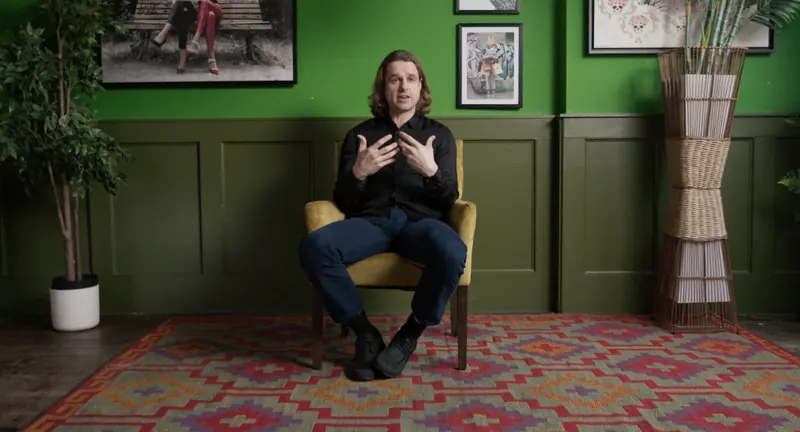
Tim Kendall in interview for the film.

Former President of Pinterest & former Director of Monetization at Facebook

Tim Kendall

“If technology knows me better than I know myself, those questions about who has agency, the answers to those become really confusing.”

Tim is the former President of Pinterest, where at various points he led product development, engineering, marketing and sales. Before that he was Facebook’s Director of Monetization, leading the development of its advertising business.
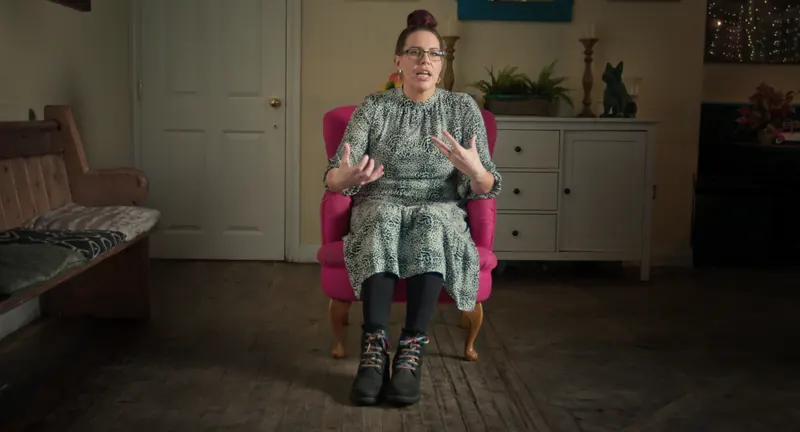
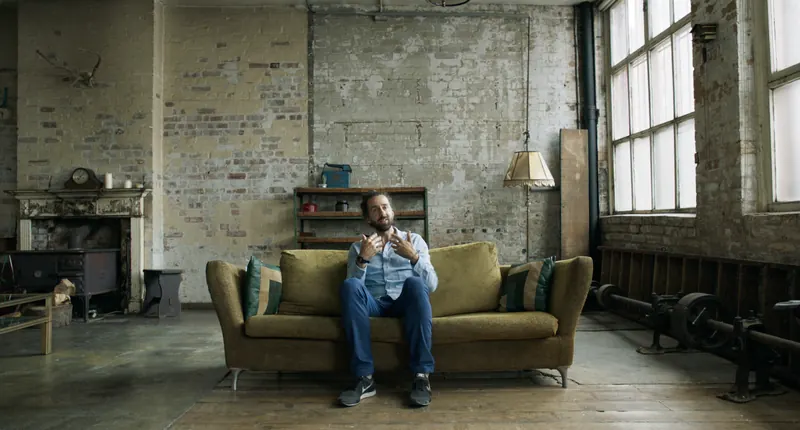
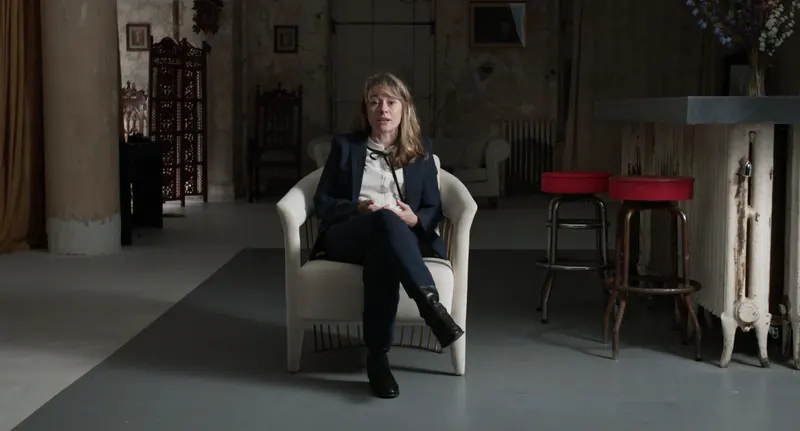
Natasha Devon MBE in interview for the film.

Mental health activist & researcher

Natasha Devon MBE

“The one area other than body image of mental health where I think you can see an actual causal link is in the rise of perfectionism.”

Natasha is a writer and activist who tours schools, colleges and universities around the world, delivering talks and conducting research on mental health, body image, gender and social equality.

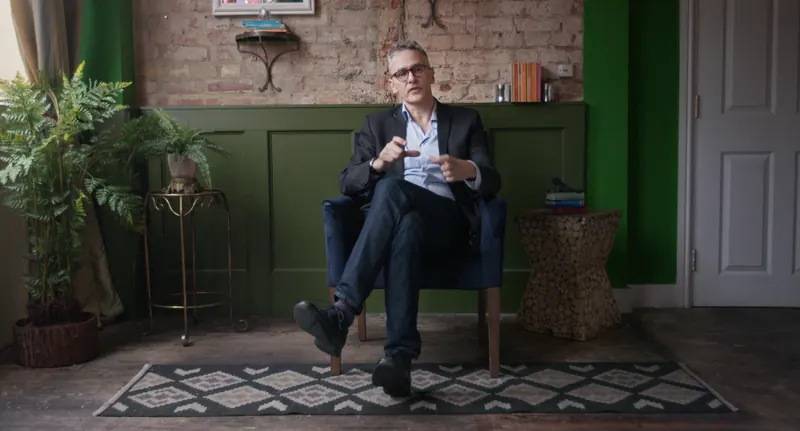
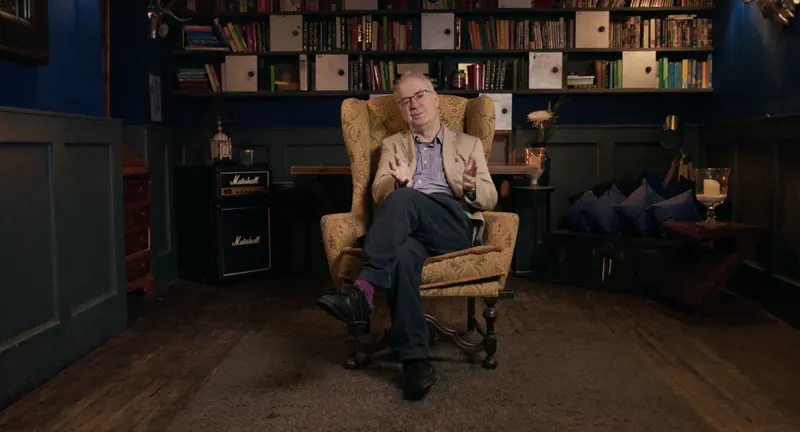
Jamie Bartlett in interview for the film.

Journalist & author of The People Vs Tech

Jamie Bartlett

“The power of Silicon Valley is far too big for one person to do anything about, but it’s not too big for 10 million people to do anything about.”

Jamie is a British author and journalist, and former Director of the Centre for the Analysis of Social Media at Demos. His books include The Dark Net and The People Vs Tech, and he presented the BBC’s The Secrets of Silicon Valley and The Missing Cryptoqueen.

Dr Paul Marsden in interview for the film.

Chartered psychologist

Dr Paul Marsden

“The biggest digital disruption is the one that is actually happening in our heads. It is changing our expectations, it is changing our relationships, and one of the biggest changes that we’ve seen is an expectation of instant gratification.”

Paul is a consumer psychologist who lectures on consumer trends and psychology at the London College of Fashion. He co-founded BrainJuicer (now System1 Group), a research company using online psychological techniques to understand consumers.

Clive Thompson in interview for the film.

Tech journalist & author of Coders

Clive Thompson

Clive writes about how technology and science affect everyday life, as a columnist for Wired and a contributing writer to The New York Times Magazine. He is the author of Smarter Than You Think and Coders.

Paul M. Barrett in interview for the film.

Deputy Director, Center for Business and Human Rights, NYU Stern

Paul M. Barrett

After more than three decades as a journalist at The Wall Street Journal and Bloomberg Businessweek, Paul researches the role and obligations of the social media industry in a democracy, from disinformation to content moderation.

Jonny Tooze in interview for the film.

Founder of LAB, digital agency

Jonny Tooze

“Automation, AI, these things are already with us. They’re only going to get better over time, which means there won’t be a need for a huge amount of the jobs that we have.”

Jonny is an entrepreneur and public speaker who founded LAB in 2003. It has grown into one of the UK’s leading independent digital agency groups.

Marc Atherton in interview for the film.

Chartered psychologist & behavioural scientist

Marc Atherton

“That allows them to create a hugely effective behaviour change capability, which you have virtually no defence against because it attacks you at a subconscious level.”

Marc came to psychology through working with young people in community settings. His work applies behavioural science at the intersection of people, cognitive technology and mental health.

Dr David Halpern in interview for the film.

Chief Executive, Behavioural Insights Team

Dr David Halpern

“One of the key changes in the digital world is the ability to test and refine those techniques. Whether you know it or not, most consumers are continually being subject to experiments.”

David has led the Behavioural Insights Team (the “Nudge Unit”) since its creation in 2010, and is the UK’s What Works National Advisor. His books include Inside the Nudge Unit.

Kathy Sheehan in interview for the film.

SVP, Cassandra

Kathy Sheehan

“Some of the rules haven’t been sorted out, like understanding a relationship in this new world of social and digital media.”

Kathy is Senior Vice President at Cassandra, an insights and strategy consultancy that studies and anticipates youth-driven market shifts.

Dr Tracy Dennis-Tiwary in interview for the film.

Professor of Psychology and Neuroscience

Dr Tracy Dennis-Tiwary

“If you look today at kids’ engagement with the crises of our day, gun violence, climate change, who is actually speaking up and screaming about it? It’s kids, it’s Gen Z, it’s millennials. It’s not us. We’ve messed it up.”

Tracy is a Professor of Psychology and Neuroscience at the City University of New York, researching teen anxiety, suicide risk and the impact of technology on wellbeing. She is the author of Future Tense: Why Anxiety Is Good for You.

Dr Jack Lewis in interview for the film.

Neuroscientist

Dr Jack Lewis

“Social cooling, I think, is one of the greatest threats to childhood happiness that the technology world has brought upon us.”

Jack is a neuroscientist, author and broadcaster who has presented and consulted on numerous television series about how the brain works.

Professor Sir Simon Wessely in interview for the film.

Professor of Psychological Medicine, King’s College London

Professor Sir Simon Wessely

“It’s in young women from about 16 to the age of 24 where there has been a true population increase in anxiety and depression, rising from around 18% to 24%. That doesn’t sound very much, but in population terms it is quite substantial, and it’s definitely new.”

Simon is professor of psychological medicine at the Institute of Psychiatry, King’s College London, and was President of the Royal College of Psychiatrists from 2014 to 2017. He was knighted in 2013 for services to military healthcare and psychological medicine.

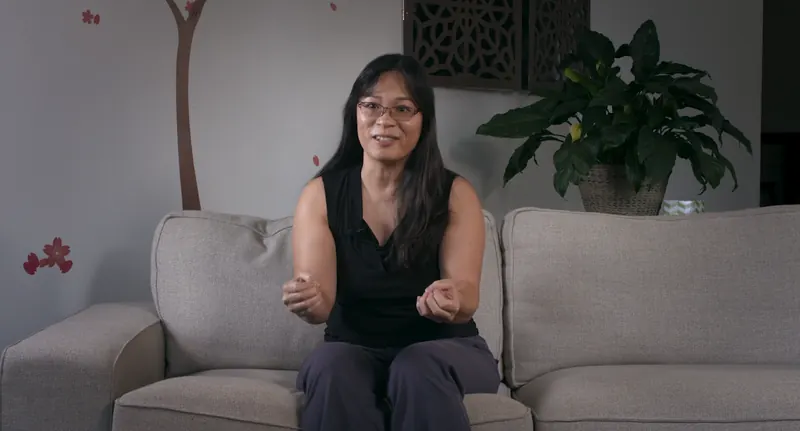
Barbara Tsai Navarro in interview for the film.

Occupational therapist

Barbara Tsai Navarro

“We can’t have a lifeguard at every pond and river and pool and spot of water, so we have to teach our kids how to swim.”

Barbara is a mental health occupational therapist in California and co-founder of the HAERT Program, a prevention-based mental wellness curriculum for teens and young adults.

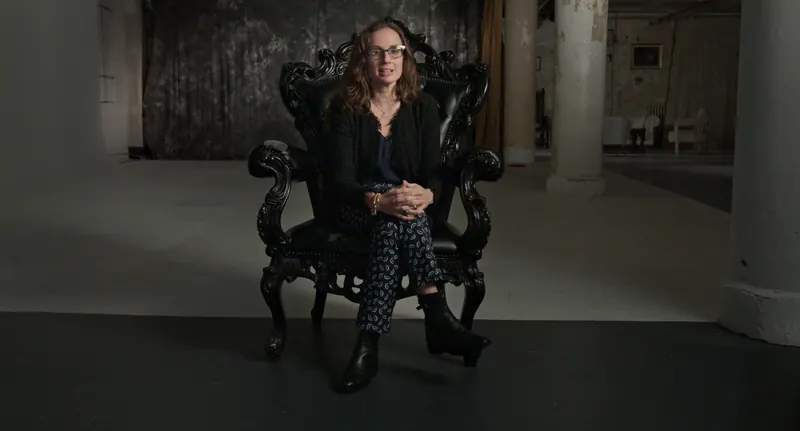
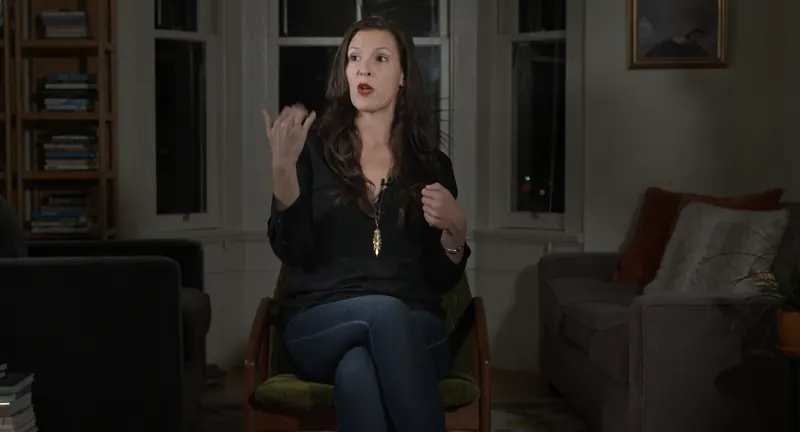
Dr Leslie Carr in interview for the film.

Clinical psychologist

Dr Leslie Carr

“To be able to carry out our dreams requires concentration, it requires follow-through, it requires the ability to think deeply about things. None of those things are possible when we are constantly distracted.”

Leslie is a clinical psychologist and an expert in human development and the impact of technology on the brain, passionate about educating the public on mental health.